Microplastics_and_Health_European_Forum_logo

Home

European Forum on Microplastics and Health (2025-2029)

The European Forum on Microplastics and Health is an informal dialogue group established by Members of the European Parliament (MEPs) to advance effective, science-based solutions to minimize the impact of microplastics on public health. Participation from committed MEPs is welcome. The group aims to collaborate with policymakers, researchers, investors, industry, innovators, and other stakeholders to identify suitable ways forward.

Microplastics in blood, brain and placenta: new report warns of urgent gaps in EU law ahead of EU Ministers' meeting

Brussels, 22 July 2026 — A new report, based on peer reviewed evidence and published by Plastic Soup Foundation, in collaboration with Green Impact, found current EU legislation fails to prevent microplastics’ spread in human blood, breast milk, lungs, brain tissue, placenta, and children's urine, and warns that microplastics and nanoplastics constitute an escalating public health crisis.

Maria Westerbos, Founder, Plastic Soup Foundation, said: “This evidence can no longer be treated as a marginal environmental issue: it is a public health emergency that the EU's 2024–2029 legislative cycle has a unique opportunity to address”.


microplastics_psf-small

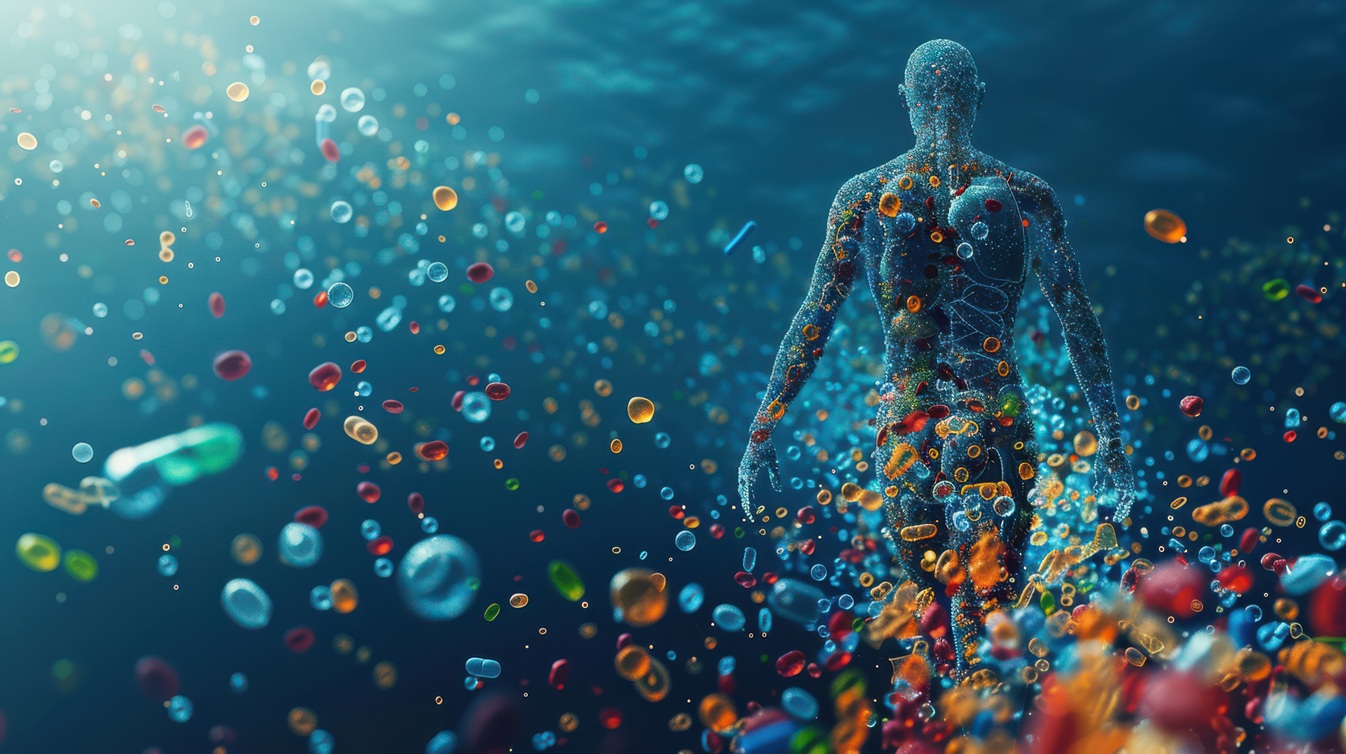
Every step you take - Microplastics

A report on microplastic exposure by Dr. Heather Leslie presented in April of this year, outlines how vulnerable we are to microplastics in our daily life
 
From the food we eat to the clothes we wear, all our various environments expose us to microplastics. This report compiles scientific evidence in order to analyse the level of exposure we experience at home, outside, when consuming food or drink, as children, while using basic cosmetic and care products, and at the hospital.

"This excellent report provides a very comprehensive and timely synthesis of everyday micro- and nanoplastic exposures. It offers a strong foundation for evidence-based policy and future research, particularly in advancing the assessment of human exposure and supporting robust risk evaluation."
Professor Lukas Kenner
University of Vienna


"This timely report highlights the current scientific understanding of micro- and nanoplastics exposure and provides evidence-based advice on how to limit personal risk to health."
Jane Muncke
Managing Director and Chief Scientific Officer at the Food Packaging Forum


“This report has all the information we need for us to know that our bodies are being overwhelmed by microplastics left and right. This is the reality we must confront for the sake of our own health and safety as humanity. Let’s close the plastic tap! Together we can work towards a plastic free future.”
Maria Westerbos

Director and Founder of Plastic Soup Foundation
Webinars

 Understanding our everyday microplastic exposure

Understanding our everyday microplastic exposure

Upcoming webinar: get firsthand insights on the most recent exposure study highlighting the vast scale of microplastic exposure in daily life in what experts are calling a “microplastic storm” from overlooked and emerging sources.

Live events

Experts and innovators meet MEPS

Experts and innovators meet MEPS

An in-person event in the EU Parliament, planned for September 2026.

Engagements with the European Parlement

2023 Plastic Health Symposium

The Plastic Health Symposium was hosted in 2023 in Brussels with members of the European Parliament, scientists, NGOs and companies working on a plastic free future. It culminated in an open letter to Frans Timmermans, the Vice-President of the European Commission at the time, urging the Commission to ‘take charge’ against microplastic pollution.
Read More

Our objectives

Raise awareness
Disseminate, commission and promote scientific research about the critical health risks induced by microplastics.
 
Promote EU legislation
Push for clear, strong health-focused microplastics legislative measures and support measures to stop microplastics accumulation.
 
Foster collaboration
Connect policymakers, scientists, innovators,  researchers, investors and industry leaders.
 
Mobilize advocacy
Use campaigns, open Letters, and public consultations to keep microplastics and health on the political agenda.